
Thermoplastic Fluoropolymer (PTFE, ETFE, FEP, PFA) Powder Coating



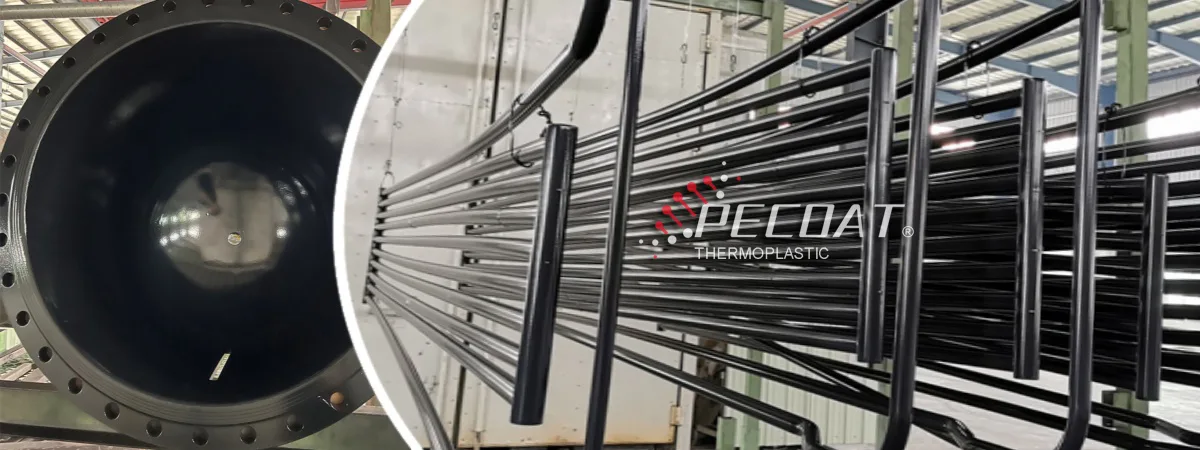
In the chemical industry, core equipment such as reactors, storage tanks, and pipes serve as key production carriers. However, they operate under harsh conditions for extended periods, facing significant corrosion risks: In the petrochemical sector, reactors endure high temperatures and pressures while contacting highly corrosive raw materials (e.g., sulfuric acid, hydrochloric acid), which easily trigger chemical reactions in metal materials. Inner walls of storage tanks are in long-term contact with chemical media, leading to issues like uniform corrosion and pitting corrosion. Acidic media cause metal thinning, while alkaline media may induce stress corrosion cracking. During material transportation, pipe protective layers are prone to damage due to scouring, chemical action, and wear from solid particles. Additionally, chemical equipment is affected by environmental factors such as humid air and acid rain, further intensifying corrosion.
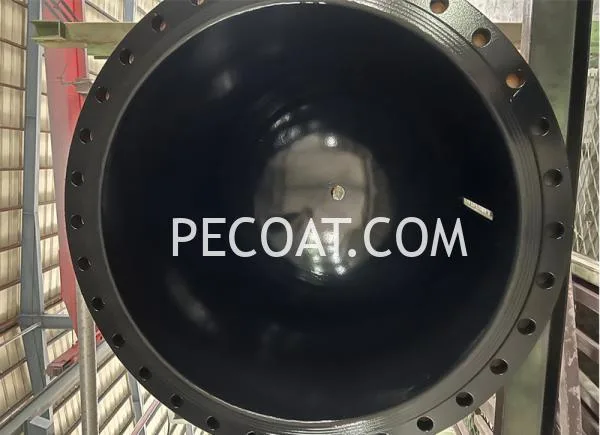 PECOAT® fluorocarbon powder coating delivers reliable protection for equipment through its unique protective mechanism:
PECOAT® fluorocarbon powder coating delivers reliable protection for equipment through its unique protective mechanism:
- The carbon-fluorine (C-F) bonds in its fluororesin molecular structure boast extremely high bond energy and strong stability, resisting erosion from strong acids and alkalis without easy chemical reactions.
- Via processes like electrostatic spraying, the fluorocarbon powder coating adheres evenly to the surface of chemical equipment. After high-temperature curing, it forms a dense, continuous protective layer—acting like "armor" to isolate corrosive media from the equipment substrate.
- This isolation prevents chemical substances, moisture, and other corrosive agents from contacting the substrate, effectively inhibiting corrosion.
- The coating also exhibits excellent high-temperature resistance. In the common high-temperature environments of chemical equipment, its physical and chemical properties remain stable without deformation, decomposition, or peeling.
- It provides long-term, continuous protection for equipment, effectively extending service life and ensuring the uninterrupted, stable operation of chemical production.
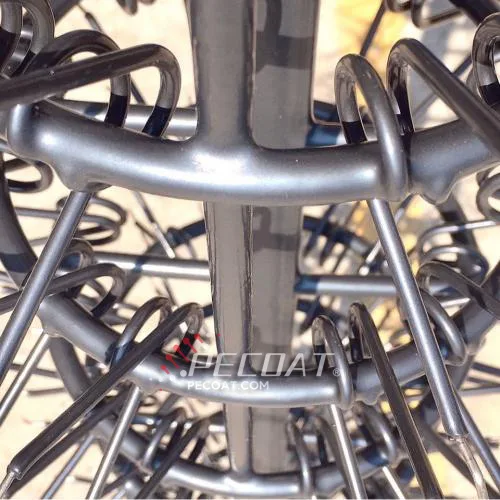
Electroplating hangers jigs are indispensable tools in the electroplating process, and their working environment is extremely harsh. During electroplating, hangers need to be immersed in electroplating solutions containing strong acids, alkalis and other chemicals for a long time. These chemicals are highly corrosive and will cause severe erosion to the material of the hangers. For example, in the chrome plating process, hangers come into contact with strongly acidic chrome plating solutions, and components such as chromic acid in them will continuously attack the surface of the hangers; while in zinc plating, alkaline zinc plating solutions will also corrode the hangers.
At the same time, the electroplating process is often accompanied by a certain temperature rise. Hangers must not only withstand chemical corrosion but also endure high temperature tests. For instance, in some special electroplating processes, the temperature of the electroplating solution may reach 60℃ or even higher. High temperature will accelerate the process of chemical corrosion and make the hangers damage faster. Moreover, during use, the hangers are also subject to mechanical stress, such as frequent loading and unloading, hanging heavy objects, etc., which further aggravates the wear and tear of the hangers.
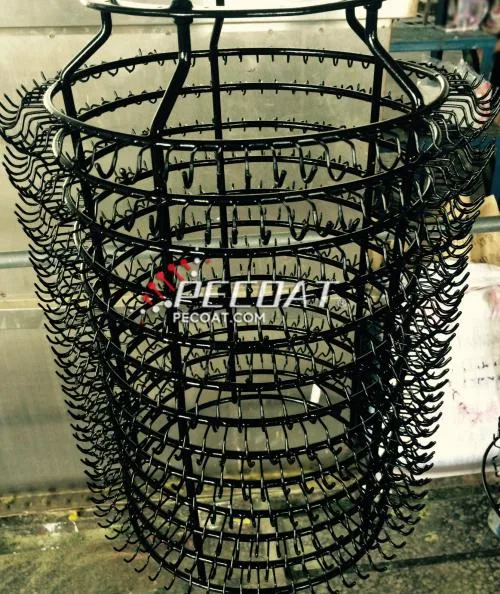 PECOAT® fluorocarbon powder coating can effectively resist the erosion of various strong acids and alkalis in the electroplating solution. Its good high temperature resistance also enables the coating to remain stable in the high temperature environment during the electroplating process. Even when the temperature of the electroplating solution is relatively high, the coating will not deform, decompose or fall off, and always maintain its protective performance, ensuring the normal use of the hangers at high temperatures. This not only extends the service life of the hangers, reduces the time and cost loss caused by frequent replacement of hangers, but also ensures the continuity and stability of the electroplating process and improves production efficiency.
PECOAT® fluorocarbon powder coating can effectively resist the erosion of various strong acids and alkalis in the electroplating solution. Its good high temperature resistance also enables the coating to remain stable in the high temperature environment during the electroplating process. Even when the temperature of the electroplating solution is relatively high, the coating will not deform, decompose or fall off, and always maintain its protective performance, ensuring the normal use of the hangers at high temperatures. This not only extends the service life of the hangers, reduces the time and cost loss caused by frequent replacement of hangers, but also ensures the continuity and stability of the electroplating process and improves production efficiency.
Faced with various difficulties brought by high temperature environments to electronic components, PECOAT® fluorocarbon powder coating has become an ideal choice for insulation protection of electronic components with its unique performance advantages. Firstly, the fluorocarbon powder coating has excellent high temperature resistance and can maintain stable physical and chemical properties in high temperature environments. The carbon-fluorine bonds in its fluororesin molecular structure have extremely high bond energy, enabling it to withstand high temperatures without decomposition or deformation. Generally speaking, the fluorocarbon powder coating can work stably for a long time in a high temperature environment of 150℃ - 200℃, providing reliable protection for electronic components.
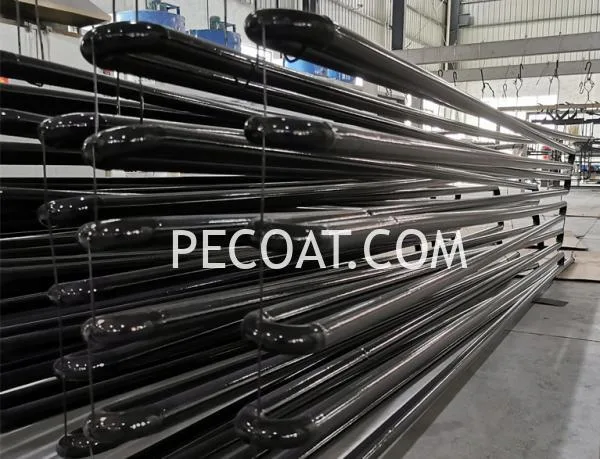 Fluorocarbon powder coating also has excellent insulation performance. It can form a good insulation coating on the surface of electronic components, effectively preventing current leakage and ensuring that electronic components work in a normal electrical environment. This insulation coating can not only prevent electrical short circuits between electronic components but also resist external electromagnetic interference, improve the anti-interference ability of electronic equipment and ensure the stable operation of electronic equipment. In addition, the coating of fluorocarbon powder coating has good adhesion and wear resistance, and can be firmly attached to the surface of electronic components. Even when the electronic components are subjected to mechanical stress such as vibration and impact, the coating is not easy to fall off and always maintains its insulation protection performance.
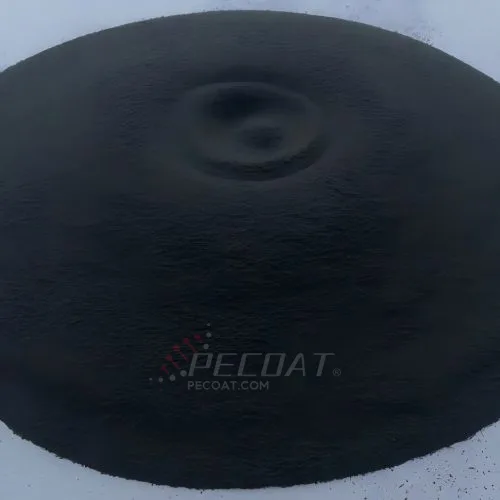
Fluorocarbon powder coating also has excellent insulation performance. It can form a good insulation coating on the surface of electronic components, effectively preventing current leakage and ensuring that electronic components work in a normal electrical environment. This insulation coating can not only prevent electrical short circuits between electronic components but also resist external electromagnetic interference, improve the anti-interference ability of electronic equipment and ensure the stable operation of electronic equipment. In addition, the coating of fluorocarbon powder coating has good adhesion and wear resistance, and can be firmly attached to the surface of electronic components. Even when the electronic components are subjected to mechanical stress such as vibration and impact, the coating is not easy to fall off and always maintains its insulation protection performance. 25Kg/Bag
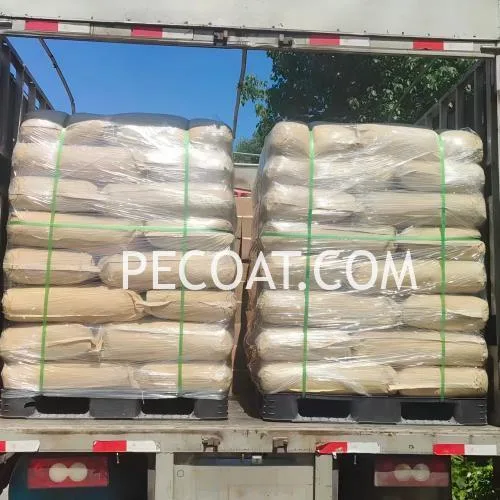
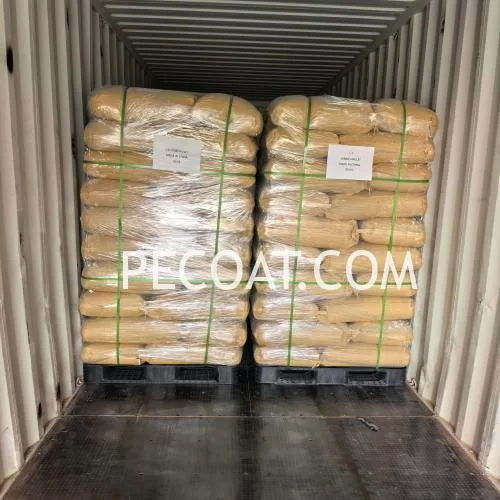
PECOAT® fluoropolymer powder coating is packaged with a three-layer protection system:
- Inner plastic bag: Seals the powder to prevent contamination, moisture absorption, and leakage.
- Outer woven bag: Adds structural strength to protect the inner plastic bag from punctures by sharp objects, ensuring package integrity.
- Palletized & film-wrapped: All bags are stacked on pallets and tightly wrapped with thick protective film to secure the entire load during transportation and storage.
 ETFE Powder Dip Coating Process | PECO5685-DP
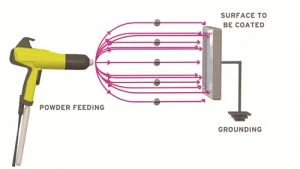 This powder is fine enough to be electrostatically charged and sprayed onto preheated metal workpieces. The workpieces are then placed in an industrial oven for a secondary heating process until the powder melts and cures completely; subsequent cooling will form a high-quality, durable coating on their surfaces.
 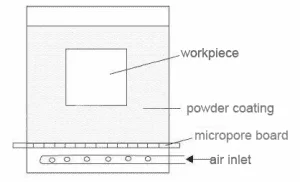 The preheated workpiece is completely immersed into fluidized bed. The powder melts on contact with the workpiece and the workpiece is then lifted out of the fluidized bed. The workpiece is then cooled to leave a high-quality coating.


Fluoroplastic etfe pfa powder coat electrostatic spraying with high temperature 150- 300C resistance
Fluoropolymer ETFE Powder dip coating for electroplating jigs .
HALAR ECTFE vs ETFE Performance Comparison
Advantages of ETFE fluoropolymer compared with other coating materials: It is mainly applied by electrostatic spray coating method. Fluidizedbed technology ...
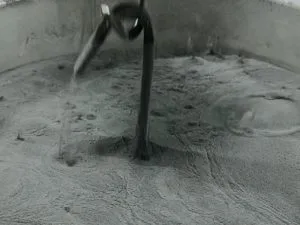
PECOAT® Fluoropolymer ETFE Powder Dip Coating Process | PECO5685-DP
Fluoropolymer ETFE Powder Dip Coating Process ...
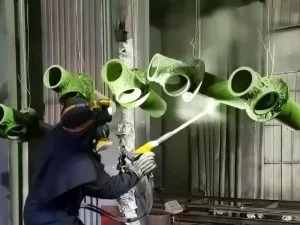
PECOAT® ETFE Powder Electrostatic Spraying Process | PECO5685-SP
ETFE Powder Electrostatic Spraying Process ...
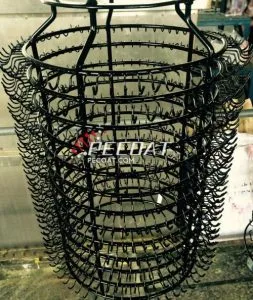
Why Electroplating Jigs Use Fluoropolymer ETFE Powder Coating?
The use of fluoropolymer ETFE powder coating on electroplating jigs essentially caters to the dual needs of "corrosion resistance + ...
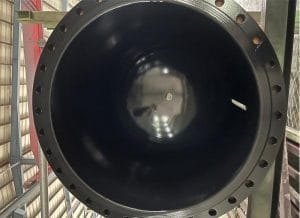
Fluoropolymer ETFE powder coating ?
Fluoropolymer ETFE (Ethylene Tetrafluoroethylene Copolymer) powder coating is a high-performance fluoropolymer coating, renowned for balancing fluoromaterial advantages with flexible processability ...
What is Teflon powder coating?
Teflon powder coating is a registered brand of fluoropolymer coating by DuPont, primarily based on fluororesins such as PTFE, FEP, ...

Differences between ETFE and PTFE materials
ETFE (ethylene-tetrafluoroethylene copolymer) and PTFE (polytetrafluoroethylene) are two high-performance fluoroplastics, differing significantly in chemical structure, mechanical properties, processing characteristics, and ...
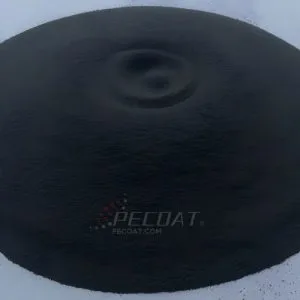
Comparative of Three Fluorocarbon Powder Coatings (ETFE, FEP, PFA): Properties and Applications
They all belong to important categories of Teflon-based coatings. Leveraging the properties of fluoropolymers, they play a protective role such ...