Electrostatic Spray Polyvinyl Chloride (PVC) Powder Coating: An In-Depth Guide

Electrostatic spray polyvinyl chloride (PVC) powder coating is a widely used surface finishing technology that offers a unique combination of durability, flexibility, and cost-effectiveness. This article explores the fundamentals of electrostatic spray PVC powder coating, its formulation, application process, advantages, disadvantages, and typical uses, providing a comprehensive overview for manufacturers, engineers, and end-users.
What is Electrostatic Spray PVC Powder Coating?
Electrostatic spray PVC powder coating is a process where finely ground PVC powder is applied to a substrate using an electrostatic spray gun. The powder particles are electrically charged as they exit the spray gun and are attracted to the oppositely charged or grounded workpiece. This method ensures an even, uniform coating that adheres well to complex shapes and surfaces.
PVC, or polyvinyl chloride, is an amorphous polymer that, when formulated with plasticizers and stabilizers, becomes a versatile material for powder coatings. The resulting coating provides excellent chemical resistance, electrical insulation, and mechanical properties suitable for a wide range of applications. Formulation of PVC Powder Coating PVC itself is a rigid material and cannot be used as a powder paint material alone. To make it suitable for coating applications, several additives are incorporated:
- Plasticizers: These are essential to impart flexibility to the otherwise rigid PVC resin. The type and amount of plasticizer used directly affect the flexibility, tensile strength, modulus, and hardness of the final coating. A careful balance is required to achieve the desired properties for specific applications.
- Stabilizers: PVC is sensitive to heat and can decompose at elevated temperatures. Stabilizers such as calcium-zinc salts, barium-cadmium soaps, mercaptan tin, dibutyltin derivatives, and epoxy compounds are added to enhance thermal stability during processing and application. Lead stabilizers, once common, have been phased out due to environmental concerns.
- Other Additives: Fillers, pigments, and processing aids may be included to improve color, surface finish, and application characteristics.
The Electrostatic Spray Application Process
The electrostatic spray process involves several key steps:
- Surface Preparation:The substrate must be thoroughly cleaned and pre-treated to ensure optimal adhesion. This may involve degreasing, sandblasting, or applying a primer, especially for metals.
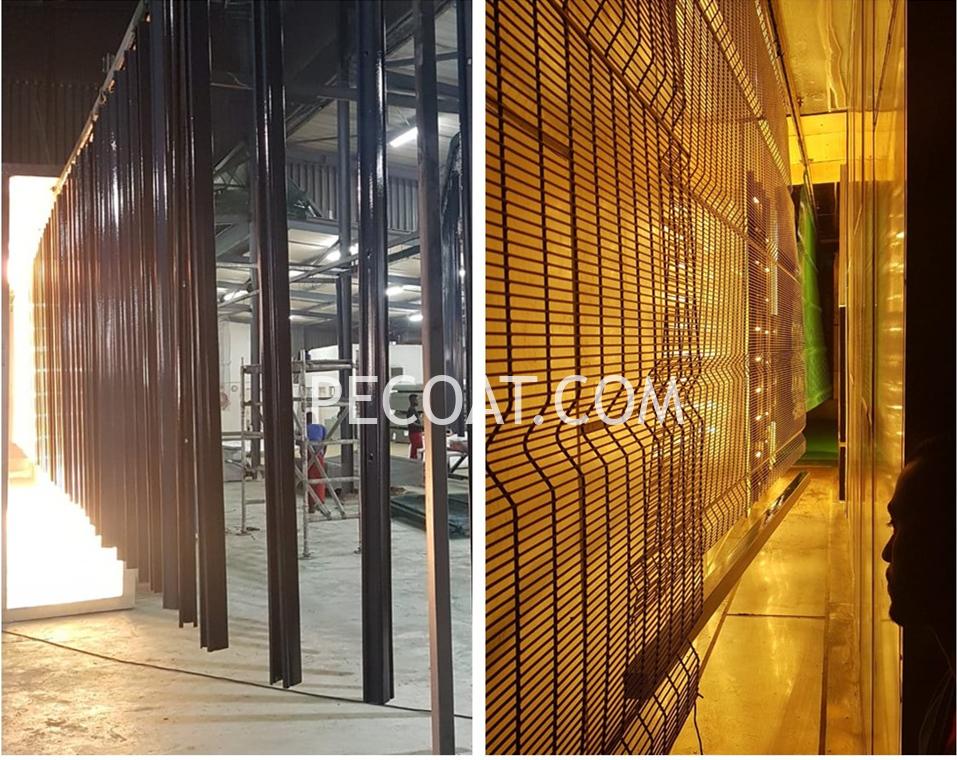
- Powder Application:The PVC powder is loaded into an electrostatic spray gun, where it is charged and sprayed onto the grounded substrate. The electrostatic attraction ensures that the powder particles adhere uniformly, even on complex geometries.
- Fusing:After application, the coated part is heated in an oven. The heat causes the PVC powder to melt, flow, and fuse into a continuous, smooth film.
- Cooling and Inspection:The coated part is cooled, and the coating is inspected for uniformity, thickness, and surface defects.
Advantages of Electrostatic Spray PVC Powder Coating
Electrostatic spray PVC powder coating offers several notable benefits:
- Cost-Effectiveness:PVC powder coatings are made from relatively low-cost raw materials, making them an economical choice for many industries.
- Excellent Chemical Resistance:The coating resists acids, alkalis, and salt spray, making it suitable for harsh environments.
- Good Mechanical Strength:When properly formulated, PVC coatings provide high mechanical strength and impact resistance.
- Electrical Insulation:PVC is an excellent electrical insulator, making it ideal for applications where electrical safety is a concern.
- Flexibility:The addition of plasticizers allows the coating to withstand bending and post-coating fabrication processes such as drawing and forming.
- Corrosion Protection:The coating acts as a barrier, protecting the substrate from moisture and corrosive agents.
- Decorative Finish:PVC coatings can be formulated in a variety of colors and finishes, enhancing the appearance of the coated product.
- Noise Reduction:In applications such as dishwasher racks, PVC coatings help reduce noise when items are placed on the rack.
Disadvantages and Limitations
Despite its many advantages, electrostatic spray PVC powder coating has some limitations:
- Thermal Sensitivity:The temperature window between the melting and decomposition of PVC is narrow. Precise temperature control is required during the fusing process to avoid degradation.
- Limited Solvent Resistance:PVC coatings are not resistant to aromatic hydrocarbons, esters, ketones, and chlorinated solvents.
- Odor and Health Concerns:During the coating process, especially immersion, PVC powder can emit a pungent odor and may be harmful if inhaled. Proper ventilation and protective equipment are necessary.
- Environmental Restrictions:Due to health and environmental concerns, the use of certain PVC formulations is restricted or prohibited in some countries.
- Adhesion Requirements:PVC coatings often require a primer to achieve strong adhesion to the substrate, especially on metals.
Typical Applications
Electrostatic spray PVC powder coating is used in a variety of industries and products, including:
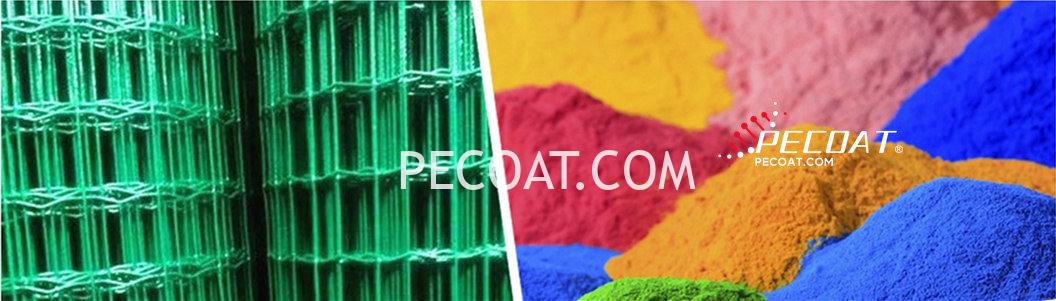
- Wire Fencing and Mesh:The coating provides corrosion protection and a smooth, attractive finish.
- Handrails and Handles:The electrical insulation and comfortable grip make PVC coatings ideal for public transport and industrial equipment.
- Automotive Parts:Components exposed to harsh environments or requiring electrical insulation are often coated with PVC.
- Industrial Equipment:Valves, pipes, and fittings are coated to enhance chemical resistance and durability.

Conclusion Electrostatic spray polyvinyl chloride (PVC) powder coating is a versatile and cost-effective solution for protecting and enhancing a wide range of products. Its unique combination of chemical resistance, flexibility, electrical insulation, and decorative potential makes it a popular choice in many industries. However, careful attention must be paid to formulation, application conditions, and environmental considerations to ensure optimal performance and compliance with regulations.