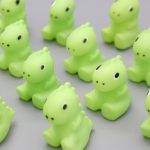
Tag: PVC Plastsol Vinyl Casting Toys Technology

PVC plastisol vinyl casting (often called rotocasting or slush molding) is a cost-effective, flexible manufacturing process for producing soft, hollow toys—from collectible figurines to playtime classics like rubber ducks. At its core, the technique uses plastisol: a liquid blend of fine PVC resin, plasticizers (for softness), stabilizers (to prevent heat damage), and colorants. This material’s low viscosity and ability to cure at moderate temperatures (150–200°C) make it ideal for intricate toy designs.
The process begins by mixing plastisol ingredients into a smooth slurry, which is poured into a pre-shaped metal mold (typically aluminum or copper for heat conductivity). The mold is then placed in a centrifuge or vacuum machine to remove air bubbles, ensuring a seamless finish. Next, it’s submerged in an industrial oil bath: heat causes the plastisol to adhere to the mold’s inner walls, with heating time dictating the toy’s wall thickness (longer heating = thicker, sturdier products). Excess plastisol is poured out and recycled, reducing waste.
To fully cure the material, the mold returns to the oil furnace for 2–3 minutes, then is cooled in water to solidify the shape. Once cooled, the flexible vinyl toy is extracted using a clamp—yielding a hollow, durable product.
Key advantages of this technology include design versatility (it can create detailed textures and complex shapes), cost efficiency (low tooling costs and recyclable excess material), and safety: modern formulations use phthalate-free plasticizers, meeting global toy standards (e.g., EU 2009/48/EC). While limited by slower cycle times (5–20 minutes per toy), it excels for small-to-medium production runs, balancing quality and affordability for both boutique and mainstream toy brands.
 

Are Vinyl Toys Harmful to Children?

Vinyl Toys

Vinyl toys are not inherently harmful to children — safety depends on material quality, production standards, and usage. Compliant products are safe, while substandard ones carry health risks. Here’s a concise guide: I. Risks of Substandard Vinyl Toys Chemical Hazards: May contain recycled plastic, low-quality plasticizers (e.g., phthalates) or heavy metals (lead, cadmium). These can seep into skin or be ingested via chewing, harming endocrine function, reproduction, nerves, or kidneys (higher risk for young kids). Physical Dangers: Poor craftsmanship causes smallRead More …

Why Sofubi & Vinyl Casting Toys Are Taking Over the Trendy Toy World
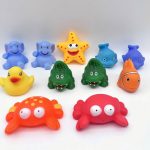
PVC Plastisol Vinyl Casting Toys

In the trendy toy market, “vinyl casting” is definitely a keyword full of buzz. Some praise it as a representative of high-end materials, others complain about its tendency to age and simple designs, while many are confused by terms like “Sofubi” and “hard vinyl”. In fact, most controversies stem from misunderstandings about this ancient craft . Vinyl Casting: A Craft, Not a Material Many people mistake “vinyl casting” for a special material after feeling the soft, elastic texture of vinylRead More …

What is PVC Plastisol Vinyl Rotocasting ?
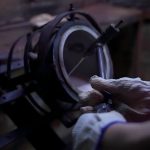
What is PVC Plastisol Vinyl Rotocasting

PVC Plastisol Vinyl Rotocasting is a craftsmanship for making toys. Here is a detailed introduction: Origin In 1924, the world’s first pvc plastisol vinyl rotocasting (ROTOCAST) machine was invented in Germany, and the first toy, a “chocolate rabbit”, was successfully produced. This marked the beginning of a new chapter in toy manufacturing with the pvc plastisol vinyl rotocasting process. Process Principle First, a thin copper layer is plated on the surface of the prototype layer by layer through electroplating toRead More …

error: