
PVC Dip Coating Plastisol: The Ultimate Solution for Durable, Versatile Surface Protection

Introduction to PVC Dip Coating Plastisol – Redefining Surface Performance
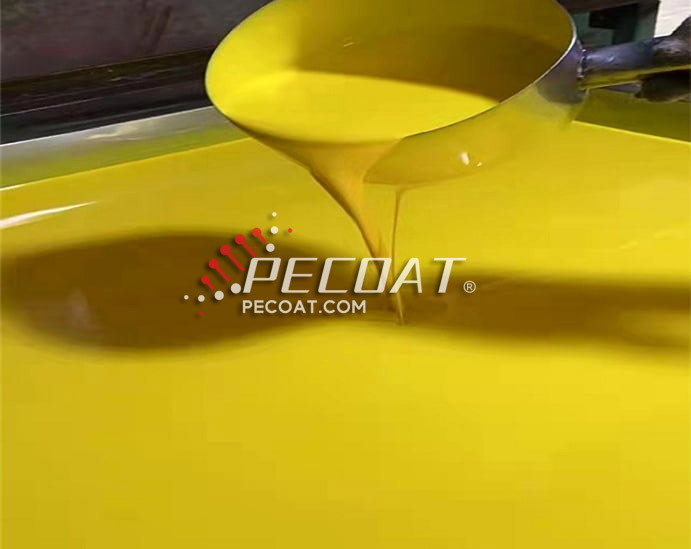
PVC dip coating plastisol stands as a revolutionary material in the field of surface protection and enhancement, renowned for its exceptional versatility, durability, and adaptability across industries. A thermoplastic polymer composite, this specialized coating is formulated by suspending polyvinyl chloride (PVC) resin in a plasticizer, creating a viscous, liquid medium that transforms into a flexible, resilient film when cured. Unlike traditional coatings, PVC dip coating plastisol offers unmatched adhesion, impact resistance, and chemical stability, making it the preferred choice for applications requiring long-lasting performance in harsh environments. Whether used to protect metal components, enhance grip on tools, or add decorative finishes to consumer goods, this advanced coating delivers consistent, reliable results that exceed industry standards.
Core Properties – Why PVC Dip Coating Plastisol Outperforms Alternatives
The superior performance of PVC dip coating plastisol stems from its unique blend of physical and chemical properties, designed to address the most demanding application challenges. Exceptional durability is a hallmark of this material: cured coatings resist abrasion, tearing, and impact, maintaining structural integrity even under repeated use or exposure to mechanical stress. Unlike rigid coatings that crack or chip, PVC dip coating plastisol retains flexibility across a wide temperature range (-40°C to 105°C), ensuring it adapts to substrate movement without compromising protection.
Chemical resistance is another key advantage. The coating forms a barrier against oils, solvents, acids, alkalis, and corrosive substances, making it ideal for industrial components, automotive parts, and marine equipment exposed to harsh chemicals. Additionally, its inherent waterproof nature prevents moisture penetration, safeguarding metal substrates from rust and degradation.
Versatility in formulation allows customization of hardness, flexibility, color, and texture. From soft, rubber-like finishes for grip applications to rigid coatings for structural protection, PVC dip coating plastisol can be tailored to meet specific performance requirements. It also adheres seamlessly to a variety of substrates, including steel, aluminum, copper, plastic, and fabric, eliminating the need for complex surface preparation.
Wide-Ranging Applications – Powering Industries Worldwide
PVC dip coating plastisol’s adaptability makes it indispensable across diverse sectors, driving innovation and efficiency in countless products. In the industrial sector, it is widely used to coat fasteners, wire mesh, pipe fittings, and machinery parts, providing corrosion resistance and extending service life in manufacturing plants, construction sites, and oil refineries. The coating’s non-slip properties also enhance safety for handles, grips, and control levers in heavy machinery.
The automotive industry relies on PVC dip coating plastisol for components such as door handles, steering wheel covers, and underbody parts. Its ability to withstand extreme temperatures, road salts, and vibration ensures durability in harsh driving conditions, while its aesthetic flexibility allows for color matching with vehicle interiors. In the marine sector, the coating protects boat hardware, cables, and marine fasteners from saltwater corrosion, ensuring reliable performance in offshore environments.
Consumer goods benefit greatly from the material’s versatility. Tool manufacturers use it to coat pliers, wrenches, and screwdriver handles, improving grip and reducing hand fatigue. Toy makers utilize non-toxic formulations to create safe, soft-touch surfaces for children’s products, while furniture designers apply it to chair legs and table edges for scratch resistance and noise reduction. Other applications include medical devices (non-irritating, easy-to-clean coatings), sports equipment (grips for 球拍,handles for fitness gear), and electrical components (insulation for wires and connectors).
Advanced Coating Process – Ensuring Precision and Consistency
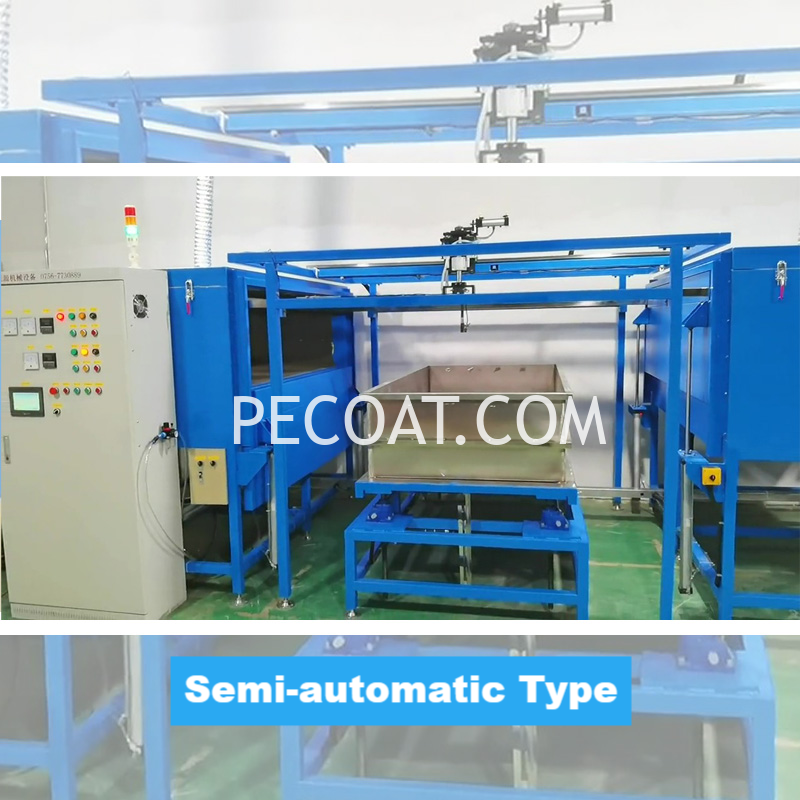
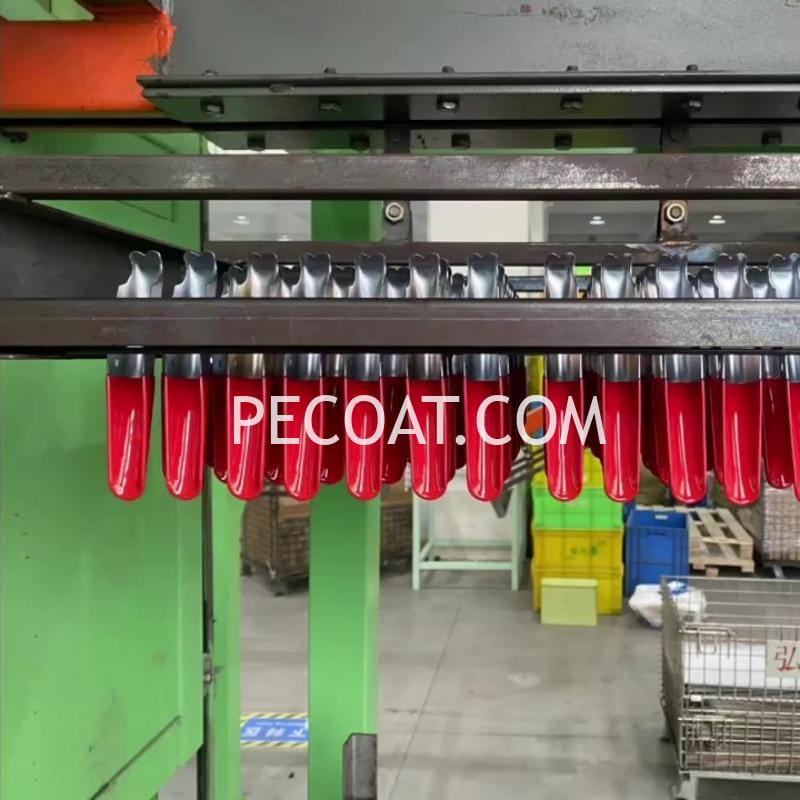
The application of PVC dip coating plastisol involves a streamlined, efficient process that guarantees uniform coverage and optimal performance. The core method is dip coating, where substrates are fully or partially immersed in the plastisol bath, allowing the coating to adhere evenly to the surface. The process begins with substrate preparation: cleaning to remove dirt, oil, and rust, followed by optional priming for enhanced adhesion (though the material often adheres directly to properly prepared surfaces).
After preparation, the substrate is dipped into the plastisol at a controlled temperature (typically 20-30°C) and withdrawn at a steady speed to ensure the desired coating thickness (ranging from 0.2mm to 5mm). The coated part is then cured, either through heat (160-200°C for 5-15 minutes) or chemical means, triggering the fusion of PVC particles and plasticizer to form a homogeneous, cross-linked film. Post-curing, excess coating is trimmed if necessary, and the part undergoes quality inspection to ensure thickness, adhesion, and finish meet specifications.
This process is highly scalable, suitable for both small-batch production and high-volume manufacturing. It offers cost-effectiveness compared to alternative coating methods, as it minimizes material waste and requires minimal labor. Additionally, the ability to automate the dip coating process ensures consistent quality across large production runs.

Environmental Advantages and Future Innovations
In an era of increasing environmental awareness, PVC dip coating plastisol stands out for its sustainable attributes. Modern formulations are free of heavy metals, phthalates, and volatile organic compounds (VOCs), complying with global environmental standards such as REACH and RoHS. The coating is also recyclable, reducing environmental impact at the end of its lifecycle. Furthermore, its durability extends the lifespan of products, reducing the need for frequent replacements and lowering overall resource consumption.
The future of PVC dip coating plastisol is marked by continuous innovation. Manufacturers are developing low-temperature curing formulations to expand compatibility with heat-sensitive substrates, while advancements in nanotechnology are enhancing the material’s mechanical properties, such as scratch resistance and UV stability. Additionally, the development of conductive and antimicrobial coatings opens new avenues for applications in electronics and healthcare. As industries demand more sustainable, high-performance materials, PVC dip coating plastisol is poised to remain at the forefront of surface protection technology, adapting to evolving needs and driving progress across sectors.
Related Posts:
 Plastisol Dip Coating :The Durable Solution for Coating Needs
 PVC Plastisol Coating Line and PVC Plastisol for Dumbbell Production
 How To Eliminate Sagging And Air Bubble In PVC Dip Coating,Dip Moulding
 Use PVC Plastisol Coat to Protect Medicine Glass Bottle
 Choosing the Best PVC Dip Coating Supplier: Key Considerations
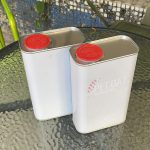 Adhesion Primer improve the adhesion bonding of PVC coatings