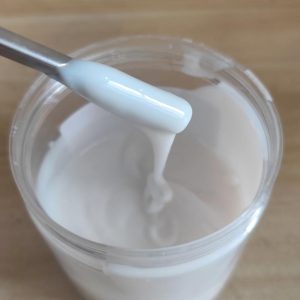
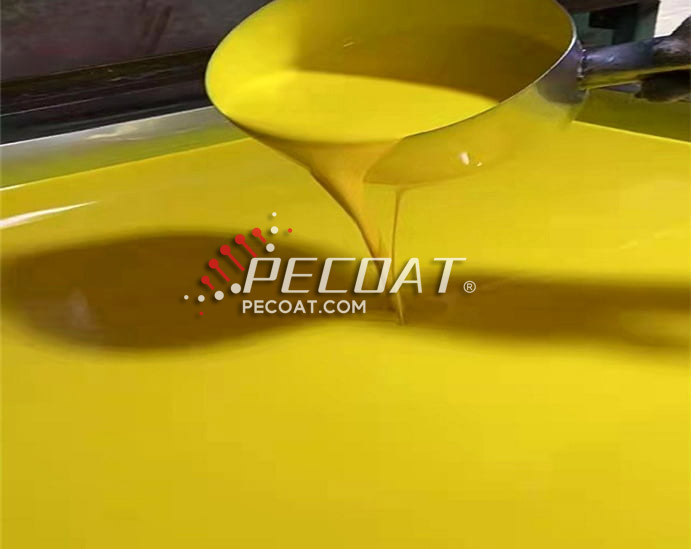
PECOAT® PVC Plastisol is made from polyvinyl chloride (PVC) as the main raw material, mixed with various additives, and refined through multiple processes. The products coated with PVC plastisol coating are colorful and beautiful with porcelain-like gloss. The coating has good wear resistance, tensile strength, heat resistance, and high insulation,and does not shrink or crack in winter or summer, and it has a good touch, long service life, and safe and reliable, providing particularly good protective and decorative effects. PVC plastisol is widely used in dip moulding process and dip coating process.
Wide color range, various surface effects, such as hard smooth , soft smooth, semi-gloss surface, matte surface, soft sandy effect, shiny transparent, anti-slip, glow in dark surface.
The coating has good low temperature resistance, impact resistance, wear resistance, humidity resistance, salt spray resistance, tensile resistance, acid and alkali resistance, aging resistance, high voltage resistance, chemical resistance, and excellent weather resistance, and no cracks in open use. The coating has excellent electrical insulation properties and can maintain its characteristics even when immersed in a saltwater solution. The coating has excellent flexibility, as well as outstanding tensile strength and elongation at break.
The PVC plastisol coating is free from toxic and heavy metal ions, environmentally friendly with antibacterial properties. The raw materials are recyclable, and the thickness of the coating can be controlled. There is almost no generation of industrial waste during production, as the manufacturing conditions are mild and conducive to environmental protection.
Colors & Surface
Color Matching
The typical approach to color matching involves three methods.
RAL Color Reference - Please provide us with the RAL code and we will ensure a perfect match.
Pantone Color Reference - Please provide us with the Pantone code and we will ensure a perfect match.
Custom Colors - Kindly forward your color samples to us, we will ensure a perfect match.
Surface Matching
Four types of surface effect are for option. Customization is also available according to customers’ sample.
Shiny Smooth
Matte Smooth
Sandy Texture
Transparent Shiny
Use Market
Given the many advantages of liquid dip PVC plastisol coating, its usage is widespread across various industries. The coating thickness ranges from approximately 0.1 to 15mm.
Hardware Tool Handles: Wrenches, pipe pliers, needle-nose pliers, diagonal pliers, wire cutters, gardening tools, and various types of scissors.
Fitness Equipment: Handles like dumbbells, pull-up bars, treadmill accessories, and handles for various fitness equipment.
Electromechanical Products: Power tool accessories, fan accessories, automotive interior decorations, and electrical insulation components.
Architectural Hardware: Valve handles, door locks, handles, security doors, security windows, stairs, and furniture.
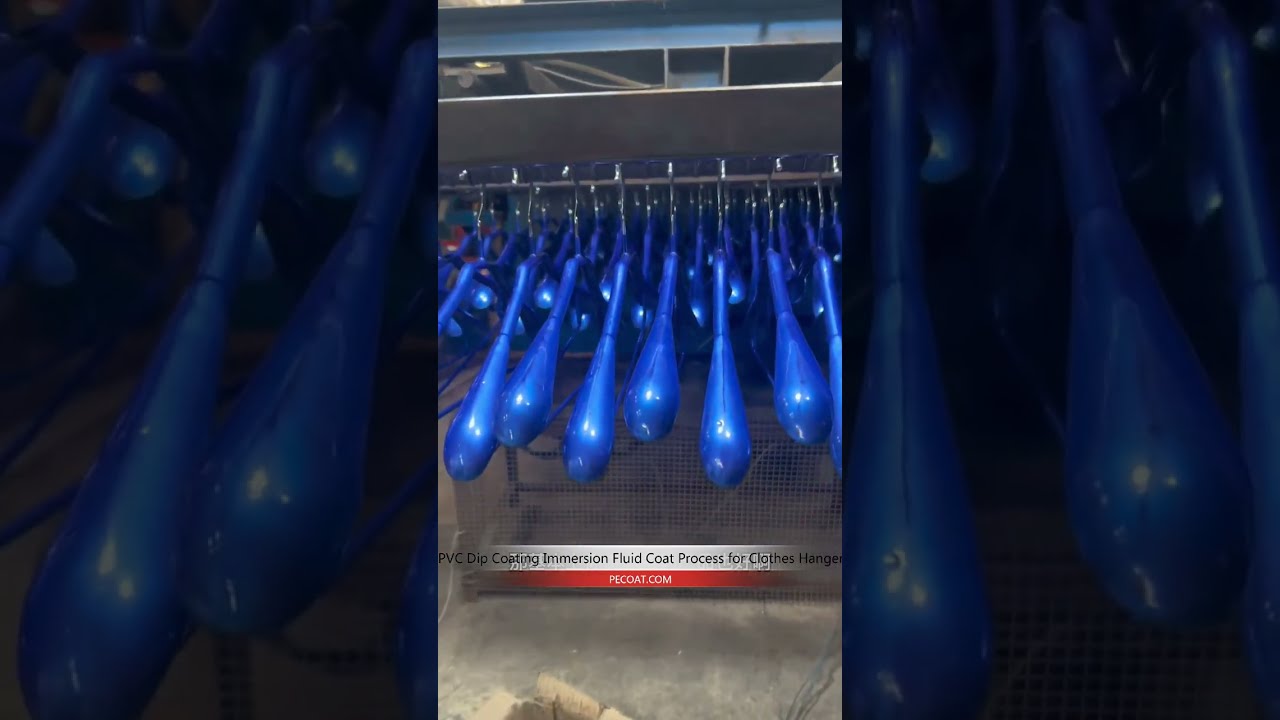
Daily Used Hardware: Clothes hangers, chains, trash bins, vehicle locks, and various types of chains.
Plastic Sleeves: Medical-grade plastic sleeves, long plastic sleeves, and colored sleeves.
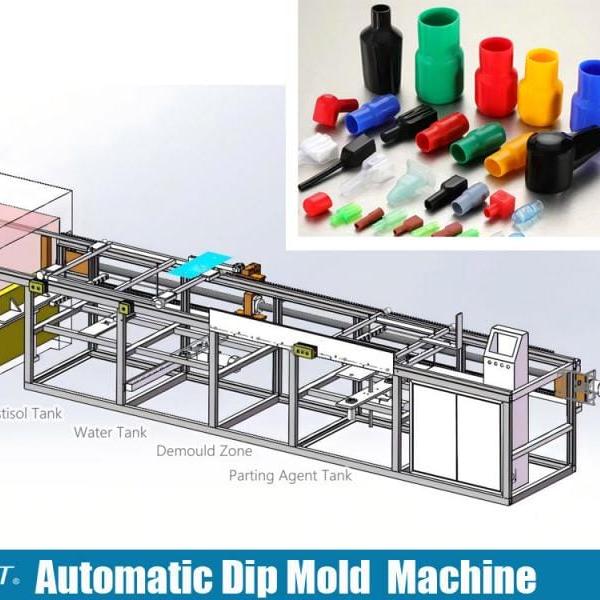
Dip Molding
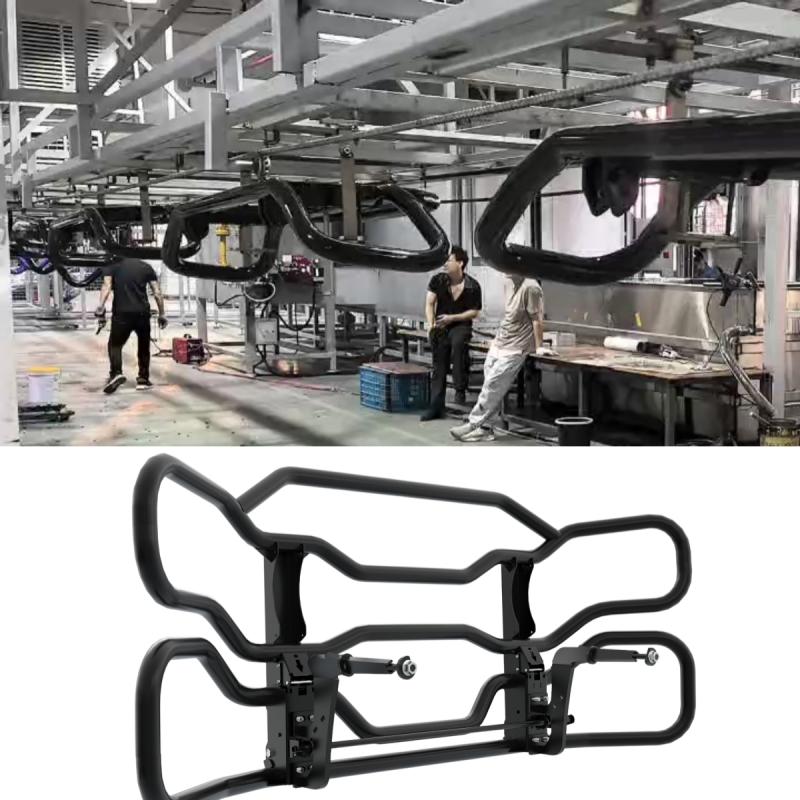
Dip Coating
Use Method
Pretreatment: The workpiece takes enough pretreatment, removing oil and rust.
Prepare PVC plastisol: Pour the liquid PVC plastisol into the tank in advance, let it stand still and remove the surface bubbles before use.
Preheat: Preheat the workpiece to 230-250℃ for 2-3 minutes.
Dip: Immerse the preheated workpiece into the liquid plastisol.
Post-heat: Put the workpiece into the curing oven to heat at 200℃ for 2-3 minutes.
Cooling: Take it out for cooling.
Packing
PECOAT® PVC Plastisol Coating is Packaged in High-quality Iron Drums.
Iron drums have excellent mechanical properties, high pressure resistance, strong ductility, and are not easily damaged. They provide reliable safety assurance for products during long-distance transportation and are convenient for storage, transportation, loading, unloading, and use.
Iron drums have excellent comprehensive protection performance. The water vapor permeability of steel is very low, completely opaque, and can effectively avoid the harmful effects of ultraviolet rays. Therefore, iron drums can maintain the quality of goods for a long time. Moreover, iron drums are reusable and recyclable.
Depending on different market, certain products necessitate a strong adhesion for the coating. However, PVC coatings inherently lack adhesion properties. In light of this, PECOAT® has developed specialized adhesive primer to enhance the adhesive capabilities of PVC coatings. Simply brush or spray them evenly onto the metal surface to be coated prior to the dipping process. The products’ substrate treated with adhesive primer exhibit exceptional adhesion to the plastic coatings, and it is difficult to peeling.
In order to provide an accurate price, the following information is necessary.
What product do you coat?
What color you need?
What surface effect you need?
Do you have any specific requirementsfor hardness? If so, please tell us Shore C hardness value. In the absence of special requests, we usually use Shore C 60°
Do you have special requirements for other properties of the coating? For example, anti-UV, anti-static, high insulation and so on.
The thickness of the coating is influenced by mainly two factors:
(1) Oven temperature, that is, the preheating temperature of the workpiece.
A lower preheating temperature results in less adhesive plastisol being adhered to, leading to a thinner coating thickness. Generally, the initial preheating temperature should not be below 200 degrees Celsius. Conversely, a higher preheating temperature leads to more adhesive plastisol being adhered to and a thicker coating thickness.
(2) Temperature of the plastisol.
Although heating is not required for the plastisol itself, it will absorb heat from the workpiece during use. Therefore, as the plastisol’s temperature gradually rises, it may be necessary to reduce the preheating temperature of the workpiece accordingly. An approximate formula can be used: preheating temperature + plastisol temperature = initial oven temperature.
When you become proficient in operating the equipment, it is not difficult to control the appropriate coating thickness according to the product requirements.
Technical textiles used in civil engineering, construction and environmental protection projects demand robust, flexible coating materials that bond firmly to ...
Flame Retardant Standard UL94 V0 Testing According to the test report issued by the internationally authoritative testing organization SGS, PECOAT® ...




 Dust-proof Thread Protective Cap,Collision Protective Caps
 PVC Plastisol Coating Sandy Effect for Dumbbell
 Sports Equipment Handles Coated with PECOAT® PVC Plastisol
 New Energy Copper Busbar Dip PVC Plastisol Coating
 PECOAT® PVC Plastisol Dip Coating for Clip Handle
 PECOAT® PVC Plastisol Dip Moulding for Handle Sleeve
 PECOAT® PVC Plastisol Dip Coating for Hook
 PECOAT® PVC Plastisol Dip Coating for Electrode
 PECOAT® PVC plastisol coating for link chains
 PECOAT® PVC plastisol coating for plating racks jigs
 PECOAT® PVC Plastisol Coating for Wrench
 Ultrasonic Cleaning Basket Coated with PECOAT® PVC plastisol
 PVC Transparent Sleeve for Medical Bottle
 PECOAT® PVC Plastisol for PVC Sleeve, Caps and Covers
 PECOAT® PVC Plastisol Coatings for fastener
 Plastisol Used for Fish Lure
 Air Filter Coated with PECOAT® Plastisol coatings
 PECOAT® Dip mould replace Injection Mould
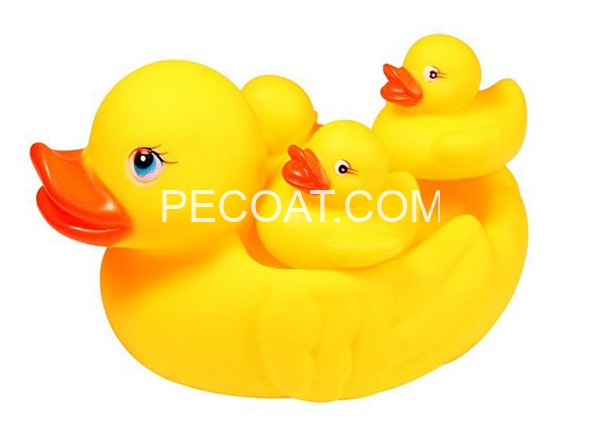 PVC Plastisol Toy Grade through rotational molding